Here are the top political news stories for today.
@ISIDEWITH16hrs16H
Trump Extends Iran Ceasefire Amid Blockade and Uncertain Peace Talks
President Donald Trump has unilaterally extended the U.S. ceasefire with Iran, citing requests from Pakistan and the need for Iran's leadership to present a unified peace proposal. Despite the extension, the U.S. Navy continues its blockade of Iranian ports and the Strait of Hormuz, ramping up economic pressure on Tehran. Peace talks remain in limbo, with Iran accusing the U.S. of ceasefire violations and refusing to participate in further negotiations under threat. Trump has sent mixed signals, at times threatening to resume bombing if no deal is reached, while also expressing optimism about a potential agreement. The situation remains tense, with both sides at an impasse and the risk of renewed conflict looming.
@BCYQJD616hrs16H
i think its sad and crazy that people are doing this in our world. and i dont fully agree with what trump is doing
@ISIDEWITH9hrs9H

Europe Scrambles to Tackle Energy Crisis as Iran War Disrupts Fuel Supplies
The European Union is facing a severe energy crisis triggered by the ongoing war in Iran, which has disrupted fuel imports and sent energy prices soaring across the continent. In response, the EU is rolling out emergency measures including electricity tax cuts, joint gas purchases, subsidies for vulnerable sectors, and recommendations for remote work and eco-driving to reduce consumption. The crisis has exposed Europe's heavy reliance on imported fossil fuels and is prompting calls for a faster transition to renewables and electrification. EU leaders warn that the situation could last for years, with potential fuel shortages and economic impacts if the conflict continues. The bloc is also urging member states to delay nuclear plant closures and coordinate energy policies to stabilize supply and protect consumers.
@ISIDEWITH9hrs9H
Amnesty International Warns: 'Predatory World Order' Threatens Global Human Rights
Amnesty International's 2026 annual report delivers a stark warning that global human rights are under severe attack, driven by the 'predatory' behavior of powerful leaders such as Trump, Putin, and Netanyahu. The report accuses the United States, Russia, and Israel of undermining international law, fueling devastating wars, and inspiring other states to commit abuses with impunity. Amnesty criticizes the broader international community, including the EU and Germany, for failing to confront these abuses and instead opting for appeasement. The organization calls for urgent resistance to the rise of authoritarian practices and the erosion of multilateralism. Amnesty urges world leaders and civil society to prioritize human rights and hold abusers accountable before the global order reaches a breaking point.
@ISIDEWITH9hrs9H
Global Coalition Gathers in Colombia to Forge Historic Fossil Fuel Phaseout
Over 50 nations have convened in Santa Marta, Colombia, for the world's first international summit dedicated to planning a coordinated phaseout of fossil fuels. Frustrated by slow progress at previous global climate talks, these countries aim to create a concrete roadmap for transitioning away from oil, gas, and coal, even as ongoing geopolitical crises and energy shocks highlight the urgency of the shift. The summit brings together governments, Indigenous leaders, faith groups, and civil society to discuss actionable steps, with a focus on ensuring a just and equitable transition. Organ… Read more
@ISIDEWITH9hrs9H
Chernobyl at 40: The Lasting Human and Environmental Toll of the World's Worst Nuclear Disaster
Forty years after the catastrophic explosion at the Chernobyl nuclear power plant, the disaster's legacy continues to haunt survivors, responders, and the environment. First responders and 'liquidators' who helped contain the fallout still suffer severe health consequences, with many succumbing to radiation-related illnesses. The event not only spread radioactive contamination across Europe but also triggered political and social changes, contributing to the collapse of the Soviet Union. Commemorative events and memorials are being held worldwide to honor the victims and raise awareness of the ongoing dangers of nuclear energy. The disaster remains a powerful reminder of the risks of nuclear technology and the enduring impact on human lives and the environment.
@ISIDEWITH9hrs9H
EU Leaders Gather in Cyprus Amid Crises: Security, War, and Budget Dominate Summit
European Union leaders are meeting in Cyprus for a high-stakes informal summit, with discussions dominated by ongoing wars in Ukraine and the Middle East, as well as economic and security challenges facing the bloc. The summit is expected to address the need for a clear EU strategy to support member states under attack, as highlighted by the president of Cyprus. Energy prices, the EU budget, and the bloc's response to external threats are also on the agenda. Ukrainian President Volodymyr Zelenskyy is anticipated to address the summit, underscoring the urgency of EU support for Ukraine. The meeting marks a pivotal moment for EU unity and crisis management as leaders seek to forge a path forward amid unprecedented geopolitical pressures.
@ISIDEWITH6hrs6H
EU Unblocks Massive €90 Billion Loan for Ukraine After Months-Long Deadlock
The European Union has finally approved a €90 billion ($106 billion) loan package for Ukraine, ending months of deadlock caused by Hungary's veto. The breakthrough came after Hungary and Slovakia dropped their opposition, following the repair and reopening of the Druzhba oil pipeline that supplies Russian oil to Central Europe. This financial lifeline is critical for Ukraine's military and economic stability as it continues to resist Russia's invasion. Alongside the loan, the EU also agreed on a new, 20th package of sanctions against Russia. The first tranche of the loan is expected to be delivered by early June, with much of the funding earmarked for military equipment and support.
@ISIDEWITH6hrs6H

Ukraine Restarts Druzhba Pipeline, Unlocking €90 Billion EU Aid Amid War Pressures
Ukraine has completed repairs on the Druzhba oil pipeline, which was damaged by a Russian strike, and has resumed the flow of Russian oil to Europe. This move removes the last major obstacle to the disbursement of a long-delayed €90 billion European Union loan to Ukraine, which had been blocked by Hungary and Slovakia over pipeline access. The resumption of oil flows is expected to stabilize energy supplies to Hungary, Slovakia, and Germany, and signals renewed European support for Ukraine amid ongoing conflict. Ukrainian President Volodymyr Zelenskyy emphasized that with the pipeline operational, there are no grounds for further blocking the EU aid package. The development is seen as a critical step in supporting Ukraine's economy and war effort while maintaining European energy security.
@ISIDEWITH6hrs6H
Trump's 'Naughty List' Sparks NATO Tensions Over Iran War Support
The Trump administration has reportedly created a 'naughty and nice' list ranking NATO allies based on their support for the US, particularly regarding military operations against Iran. Allies who declined to assist the US in the Iran conflict have been labeled as 'disobedient' or 'bad,' raising concerns about possible punitive actions such as reduced NATO funding or diminished cooperation. This move has left European diplomats confused and worried about the future of the alliance. The White House's approach signals a willingness to follow through on threats against allies not seen as sufficiently supportive. The controversy highlights growing divisions within NATO and uncertainty about US commitment to traditional alliances.
@ISIDEWITH6hrs6H
Trump Extends Iran Ceasefire Amid Global Tensions
Former President Donald Trump has announced an extension of the ceasefire with Iran, stating he will refrain from further attacks until ongoing discussions are resolved. This move comes as international attention remains focused on the fragile situation in the Middle East. The decision is seen as an attempt to de-escalate tensions and avoid further conflict. Meanwhile, domestic political developments continue, but the Iran ceasefire remains the most pressing international issue. Observers are watching closely to see how negotiations unfold and whether a lasting peace can be achieved.
@ISIDEWITH4hrs4H
Iran Escalates Tensions by Seizing Ships and Firing on Vessels in the Strait of Hormuz After U.S. Ceasefire Extension
Iranian forces fired on and seized multiple commercial ships in the Strait of Hormuz shortly after U.S. President Donald Trump announced an extension of the ceasefire in the ongoing conflict. At least three vessels were attacked, with two being captured and escorted to Iranian shores, including a ship bound for India. The incidents have heightened tensions in the critical maritime chokepoint, which is vital for global oil shipments, and have complicated ongoing diplomatic efforts to resolve the conflict. Iran claims the seizures were due to maritime violations, while the U.S. maintains a blockade and accuses Iran of threatening international shipping. The renewed hostilities underscore the fragility of the ceasefire and the risk of further escalation in the region.
@ISIDEWITH4hrs4H
Russia Cuts Off Kazakh Oil to Germany, Threatening European Energy Security
Russia has announced it will halt the transit of Kazakh oil to Germany via the Druzhba pipeline starting May 1, impacting a key refinery that supplies much of Berlin's energy needs. The move is officially attributed to 'technical reasons,' but many analysts see it as a geopolitical maneuver amid ongoing tensions between Russia and the West. This decision could disrupt Germany's energy supply, potentially causing regional price increases and raising concerns about energy security across Europe. Kazakhstan has confirmed the suspension, and Russia plans to divert the oil to other routes. The halt comes as Germany has increasingly relied on Kazakh oil after reducing imports of Russian crude.
@ISIDEWITH4hrs4H
A Year Without Pope Francis: Church Reflects on His Legacy of Mercy and Change
On the first anniversary of Pope Francis' death, the Catholic Church and faithful worldwide are commemorating his life and legacy. Pope Francis, remembered for his compassion, humility, and focus on the marginalized, left a significant mark on the Church's direction and global image. His successor, Pope Leo XIV, and many others have paid tribute to Francis' emphasis on mercy, inclusivity, and social justice. Memorial Masses, prayers, and documentaries are being held to honor his memory and the transformative impact of his papacy. The anniversary has sparked reflection on both the unity and divisions his leadership brought to the Church.
@ISIDEWITH7hrs7H
Strait of Hormuz Showdown: US-Iran Tensions Escalate as Ceasefire Teeters on the Brink
Tensions between the United States and Iran have reached a critical point in the Strait of Hormuz, with both sides accusing each other of violating a fragile ceasefire. The US has imposed a naval blockade on Iranian ports, leading to the interception and seizure of multiple vessels, while Iran has responded by closing the Strait and targeting ships attempting to pass through. Diplomatic efforts, including talks mediated by Pakistan, remain uncertain as both sides prepare for possible renewed conflict. The situation has triggered a major energy crisis, with global oil supplies threatened by the disruption of this key maritime route. As the ceasefire deadline approaches, the risk of a wider regional war looms large.
@ISIDEWITH14hrs14H
Israeli Settler Attack on West Bank School Leaves Palestinian Child and Man Dead
A violent incident erupted in the West Bank village of al-Mughayyir, where Israeli settlers and soldiers opened fire near a Palestinian boys' school, killing a 14-year-old boy and a 32-year-old man. Multiple reports confirm that the attack occurred as villagers clashed with settlers, with Israeli military reservists also involved. The Palestinian Red Crescent and health authorities reported additional injuries and accused Israeli forces of preventing aid to the wounded. The incident has drawn international condemnation and highlights escalating tensions and violence in the occupied West Bank. Calls for accountability and protection of civilians have intensified amid ongoing settler-related violence.
@ISIDEWITH4hrs4H
Ukraine Restores Druzhba Pipeline, Unlocking €90 Billion EU Aid Amid Political Tensions
Ukraine has completed repairs on the Druzhba oil pipeline, which was damaged by a Russian strike, allowing Russian oil flows to Europe to resume. This development removes the last major obstacle to the European Union's long-delayed €90 billion loan package for Ukraine, as Hungary dropped its opposition following the pipeline's reopening. The pipeline is a critical energy route for Hungary, Slovakia, and other European countries, and its restoration is seen as a significant step in supporting Ukraine amid ongoing conflict. The move also paves the way for a new round of EU sanctions against Russia. Ukrainian President Volodymyr Zelenskyy emphasized that there are now 'no grounds' for blocking the EU aid, though concerns remain about the pipeline's future security.
@ISIDEWITH14hrs14H
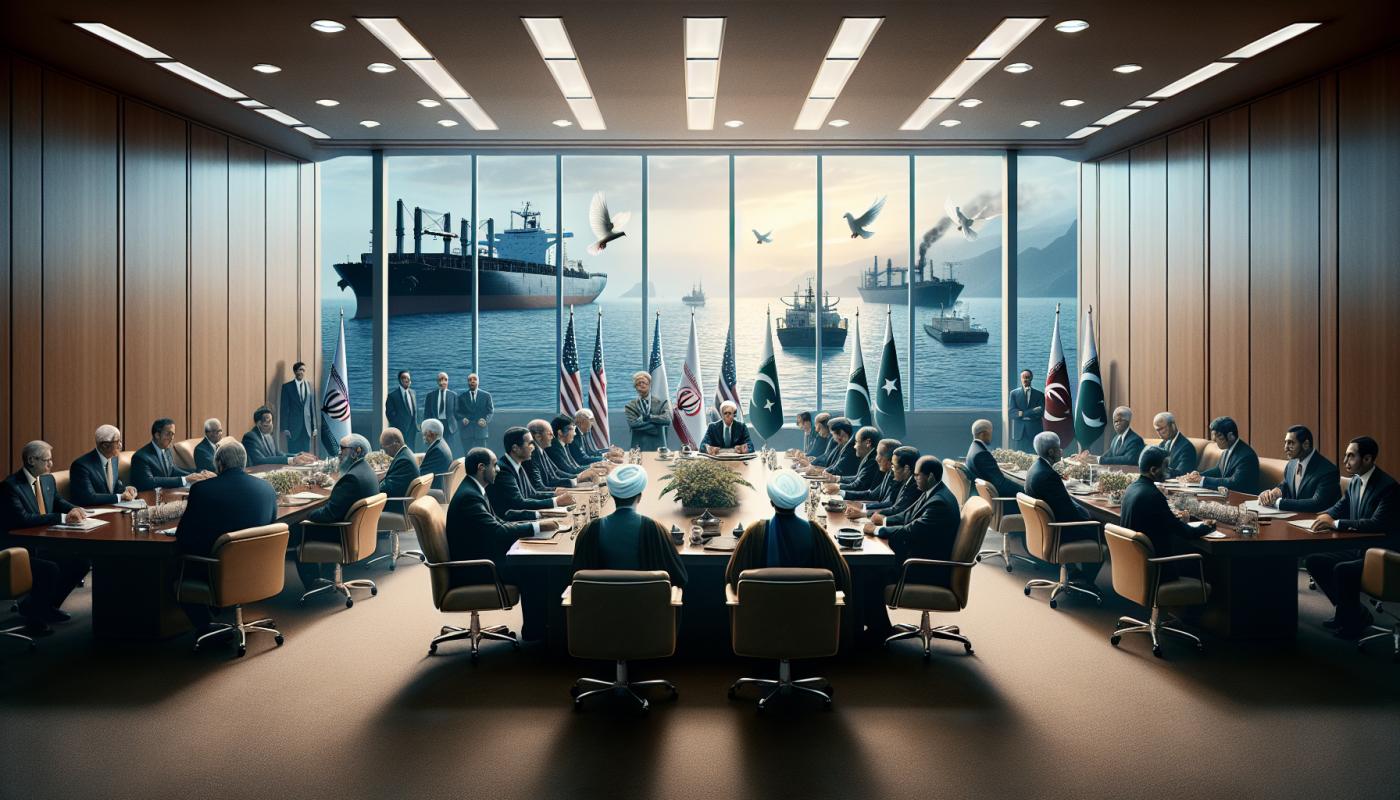
US-Iran Peace Talks in Turmoil as Ceasefire Hopes Fade
Confusion and uncertainty dominate the ongoing US-Iran peace negotiations, with Iran refusing to participate in a second round of talks. President Trump has publicly stated that a ceasefire extension is 'highly unlikely,' further dampening hopes for a diplomatic breakthrough. The situation has led to increased tensions and speculation about the future of US-Iran relations. The lack of progress raises concerns about stability in the region, particularly around strategic areas like the Strait of Hormuz. Observers are closely watching for any signs of renewed dialogue or escalation.
@ISIDEWITH17mins17m
Shadow Drone War: Iran-Backed Militias Escalate Gulf Tensions, Threatening Iraq’s Stability
A covert conflict is intensifying in the Gulf region as Iran-backed militias in Iraq launch drone attacks against Saudi Arabia and other Gulf states. These armed groups, supported by Tehran, are not only targeting regional rivals but also undermining Iraq’s sovereignty and economic recovery, particularly by attacking its vital oil sector. The escalation threatens to drag Iraq deeper into regional power struggles, complicating its efforts to balance relations with both the US and Iran. The ongoing attacks risk destabilizing the broader Middle East and fraying Iraq’s ties with its Gulf neighbors. As Iraq’s new government takes office, it faces mounting pressure to rein in these militias and restore national stability.
@ISIDEWITH17mins17m
Russia Cuts Off Kazakh Oil to Germany, Threatening Berlin's Energy Security
Russia has announced it will halt the transit of Kazakh oil to Germany via the Druzhba pipeline starting May 1, impacting a key refinery that supplies much of Berlin's energy needs. The move, officially attributed to 'technical reasons,' comes amid ongoing geopolitical tensions and follows Germany's shift away from Russian oil. Kazakhstan has confirmed the suspension, citing recent disruptions and drone attacks as contributing factors. The halt raises concerns about regional fuel shortages and potential price spikes, as Germany relies on Kazakh oil as a major alternative to Russian crude. The situation underscores the vulnerability of European energy supplies to geopolitical maneuvering and infrastructure disruptions.
@ISIDEWITH17mins17m
Gibraltar's Monkeys Eat Dirt to Cope With Tourists' Junk Food
Barbary macaques in Gibraltar have developed a surprising way to deal with the digestive problems caused by eating junk food given to them by tourists: they eat soil. Researchers found that the monkeys regularly consume dirt and clay, a behavior known as geophagy, to soothe their upset stomachs after indulging in sugary and salty snacks like chocolate, crisps, and sweets. The study suggests that the soil helps neutralize or absorb harmful substances in the junk food, acting as a natural remedy for their digestive distress. This adaptation highlights the unintended consequences of human interaction with wildlife, as well as the animals' ability to self-medicate. The findings raise concerns about the impact of tourist feeding on animal health and behavior.
@ISIDEWITH16mins16m
Strait of Hormuz on Edge: US-Iran Tensions Threaten Global Energy and Peace Talks
Tensions between the US and Iran have escalated in the Middle East, particularly around the strategic Strait of Hormuz, following a fragile ceasefire that is set to expire. Both sides have accused each other of violating the truce, with incidents including ship seizures, attacks, and a US naval blockade of Iranian ports. Diplomatic efforts, including high-level talks in Pakistan, remain uncertain as Iran hesitates to participate and the US maintains pressure. The ongoing conflict has disrupted global shipping and energy markets, with fears of a broader regional war involving Israel and Lebanon. The situation remains volatile, with the possibility of renewed hostilities if negotiations fail.
@ISIDEWITH15mins15m
Trump's Iran Gamble: Is Victory Worth the Cost?
A series of headlines and opinion pieces are debating President Donald Trump's claim of victory in the ongoing conflict with Iran. While Trump and his supporters tout military successes, many analysts warn that the costs—both in American lives and global stability—may outweigh any short-term gains. Critics draw parallels to 'Pyrrhic victories,' where winning comes at such a high price that it leads to long-term strategic losses. The debate also questions whether military action alone can achieve lasting peace or regime change in Iran. Overall, the coverage highlights deep skepticism about the true benefits and consequences of the U.S. approach to Iran.
@ISIDEWITH15mins15m
Iran Threatens Persian Gulf Undersea Internet Cables, Raising Global Cybersecurity Fears
Media linked to Iran's Revolutionary Guard (IRGC) have highlighted the vulnerability of undersea internet cables and cloud infrastructure in the Persian Gulf, suggesting these could become targets amid rising regional tensions. These cables are critical for global internet and financial connectivity, carrying the vast majority of international data traffic. The warnings come as the Strait of Hormuz remains a flashpoint, with experts warning that any sabotage could disrupt internet access and financial systems far beyond the Middle East. The situation underscores the growing risk of cyber-physical attacks on digital infrastructure during geopolitical conflicts. Network engineers and policymakers are increasingly concerned about the potential for a digital collapse if these vital cables are damaged.
@ISIDEWITH14mins14m
Strait of Hormuz Mine Crisis: US Deploys Drones and Robots as Oil Route Faces Months-Long Disruption
The Strait of Hormuz, a critical global oil chokepoint, has been heavily mined by Iran amid escalating tensions with the US, threatening international shipping and driving up oil prices. Pentagon assessments warn that clearing the mines could take up to six months, even with advanced US Navy technology such as drones, unmanned underwater vehicles, and trained dolphins. The US has launched a major mine-clearing operation, but the full extent of the mine threat remains unclear, and cleanup may not begin in earnest until hostilities subside. The prolonged disruption is expected to impact global supply chains and keep energy prices elevated. Both US and Iranian officials have made conflicting statements about cooperation and progress, but the waterway remains dangerous and partially closed to commercial traffic.
@ISIDEWITH12mins12m
How Trump’s Exit from the Iran Nuclear Deal Sparked Renewed Tensions and Nuclear Fears
The 2015 Iran nuclear deal, known as the JCPOA, was a landmark agreement between Iran and world powers to limit Iran's nuclear program in exchange for sanctions relief. President Trump withdrew the US from the deal in 2018, calling it inadequate and seeking tougher terms, which led to the collapse of the agreement. Since then, Iran has resumed nuclear activities, and diplomatic efforts to revive the deal have stalled amid rising tensions and military actions. Negotiators and experts argue that the US withdrawal undermined years of diplomacy and made future negotiations with Iran more difficult. The situation remains volatile, with little progress toward a new agreement and ongoing concerns about Iran's nuclear ambitions.
@ISIDEWITH16hrs16H
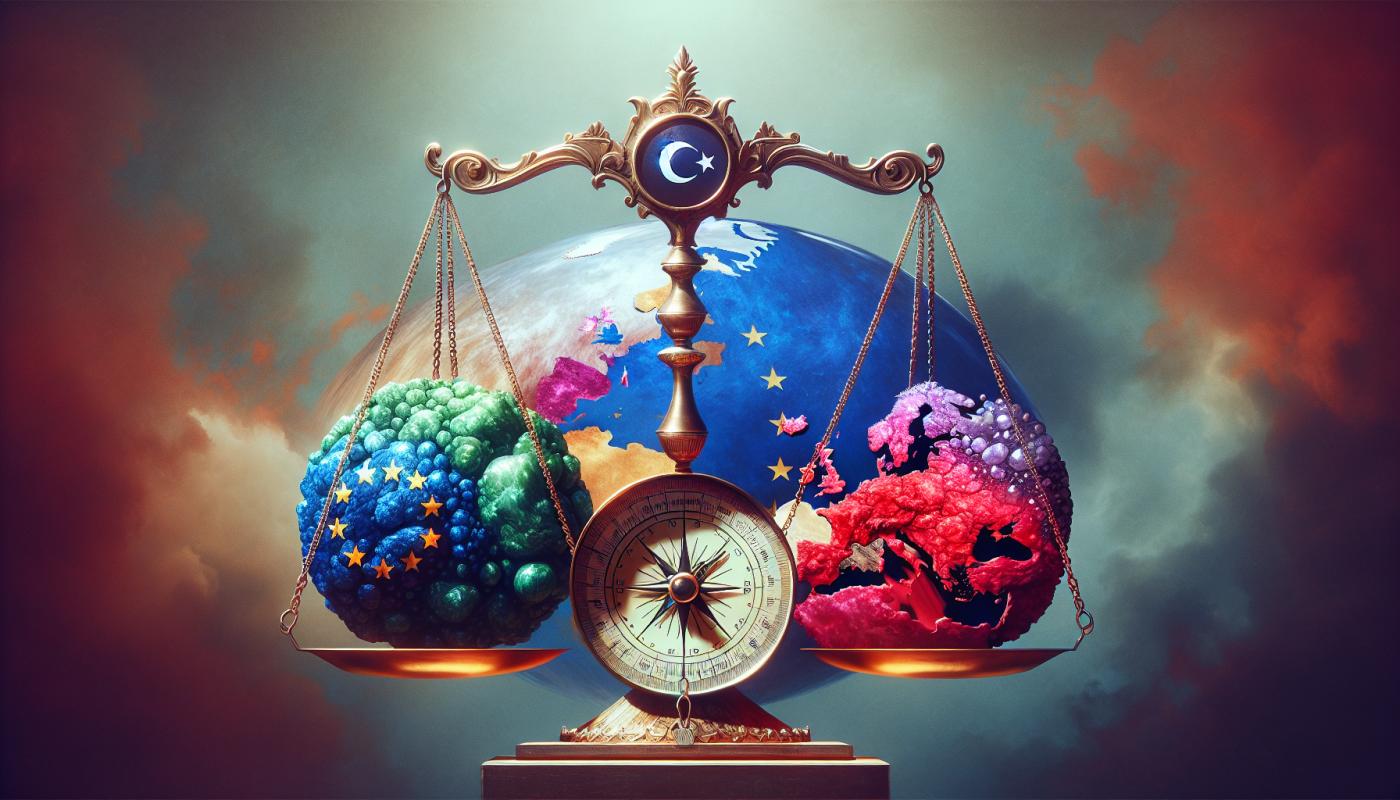
EU Scrambles to Calm Diplomatic Storm After Von der Leyen Groups Turkey with Russia and China
A diplomatic controversy erupted after European Commission President Ursula von der Leyen warned that the EU must expand to prevent parts of Europe from falling under the influence of Russia, Turkey, or China. Her remarks, which grouped Turkey with Russia and China as external influences to be countered, sparked criticism and concern, particularly from Turkey. The European Commission quickly moved to clarify her comments, emphasizing that Turkey remains an important economic and political partner and that the EU does not seek to 'oversee' Turkey's regional influence. The incident highlights ongoing tensions over the EU's enlargement strategy and its relationships with neighboring powers. Brussels is now working to ease tensions and reaffirm diplomatic ties with Turkey.
@ISIDEWITH12hrs12H
Israel’s New Death Penalty Law Sparks Global Outrage Over Discriminatory Targeting of Palestinians
Israel's parliament has passed a controversial law allowing the death penalty for Palestinians convicted of killing Israelis, a move widely condemned as discriminatory and a violation of human rights. Critics argue the law deepens the apartheid system by applying only to Palestinians, not Jewish Israelis, and entrenches legal inequalities. The law has triggered mass protests in Morocco, France, and other countries, as well as calls for the EU to suspend its association agreement with Israel. Human rights organizations and international leaders warn that the law could lead to Israel's suspension from key rights bodies and further isolate the country diplomatically. The legislation is seen as a drastic escalation in Israel's treatment of Palestinians, raising fears for detainees and fueling global solidarity movements.
@ISIDEWITH11hrs11H
China Blocks Taiwan President's Africa Trip, Escalating Diplomatic Tensions
Taiwanese President Lai Ching-te was forced to cancel a planned diplomatic visit to Eswatini, Taiwan's only remaining ally in Africa, after three African countries—Seychelles, Mauritius, and Madagascar—revoked overflight permissions for his plane. Taiwan accused China of pressuring these countries to deny access, a move widely seen as part of Beijing's ongoing efforts to isolate Taiwan diplomatically and reinforce the 'One-China' principle. China publicly praised the African nations for their actions, framing it as international support for its sovereignty clai… Read more
@ISIDEWITH11hrs11H
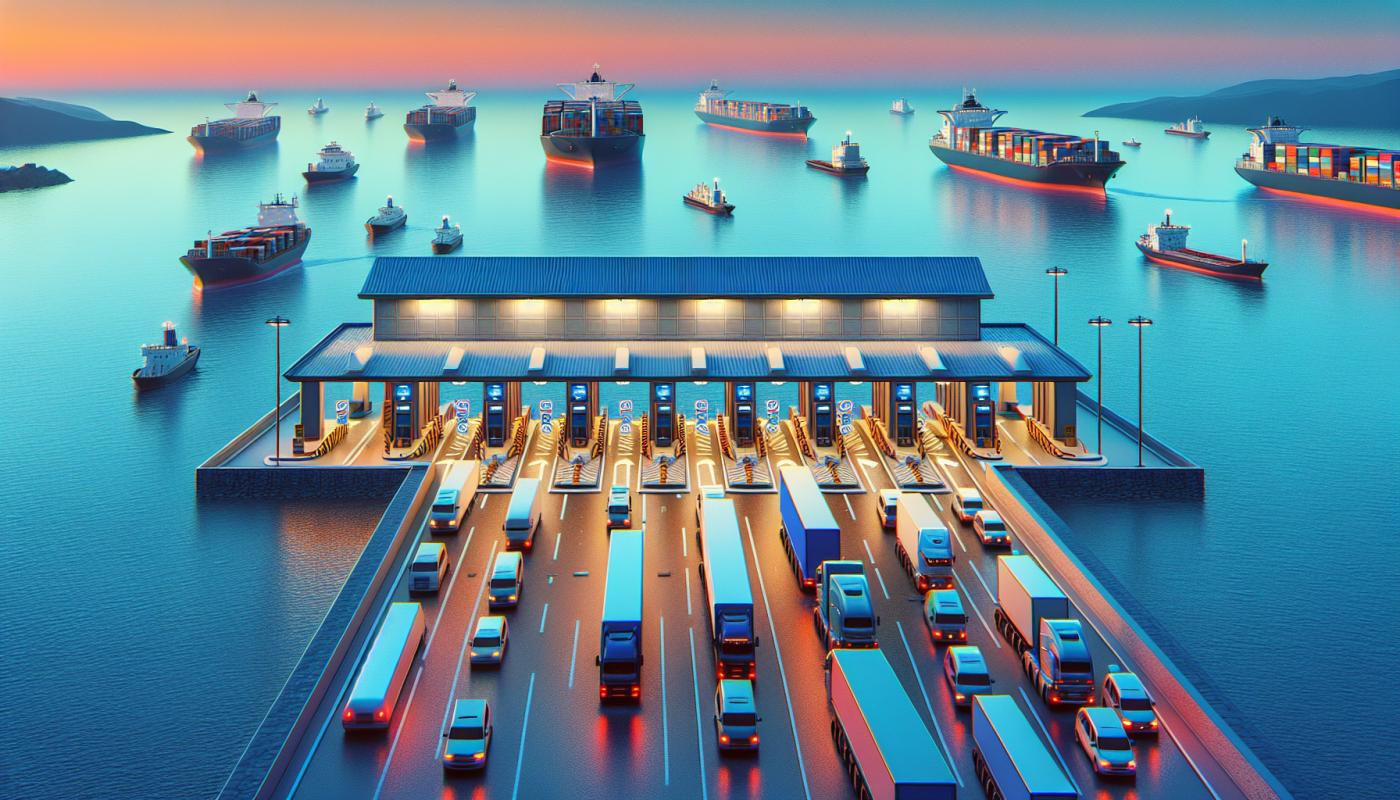
Tensions Explode in Strait of Hormuz: Iran Fires on Ships as US Blockade and Ceasefire Extension Collide
A surge in violence has erupted in the Strait of Hormuz after Iran fired on multiple commercial vessels, including Indian- and Greek-flagged ships, following President Trump's extension of a ceasefire and continued US blockade of Iranian ports. Iran claims it is lawfully enforcing control over the critical waterway, while the US maintains its blockade, leading to a dangerous standoff that has halted shipping traffic and stranded hundreds of tankers. The attacks have complicated ongoing diplomatic efforts to resume peace talks between the US and Iran, with both sides blaming each other for the escalation. India and other countries have issued advisories to their ships, and the UK has confirmed gunfire incidents. The crisis threatens global energy supplies and underscores the volatility of the region as hardliners in Iran assert control.
@ISIDEWITH12hrs12H

Hungary’s Anti-Corruption Uprising: What Orban’s Fall Means for Trump and Global Democracy
The recent defeat of Hungarian Prime Minister Viktor Orbán, long seen as a model for authoritarian leaders like Donald Trump, has sent shockwaves through international politics. Orbán’s downfall was driven by widespread public outrage over corruption and self-dealing, symbolized by lavish projects and personal enrichment among his loyalists. Analysts and commentators are drawing direct parallels between Orbán’s regime and Trump’s political style, warning that unchecked corruption and autocratic tendencies can ultimately lead to a dramatic loss of power.… Read more
@ISIDEWITH11hrs11H
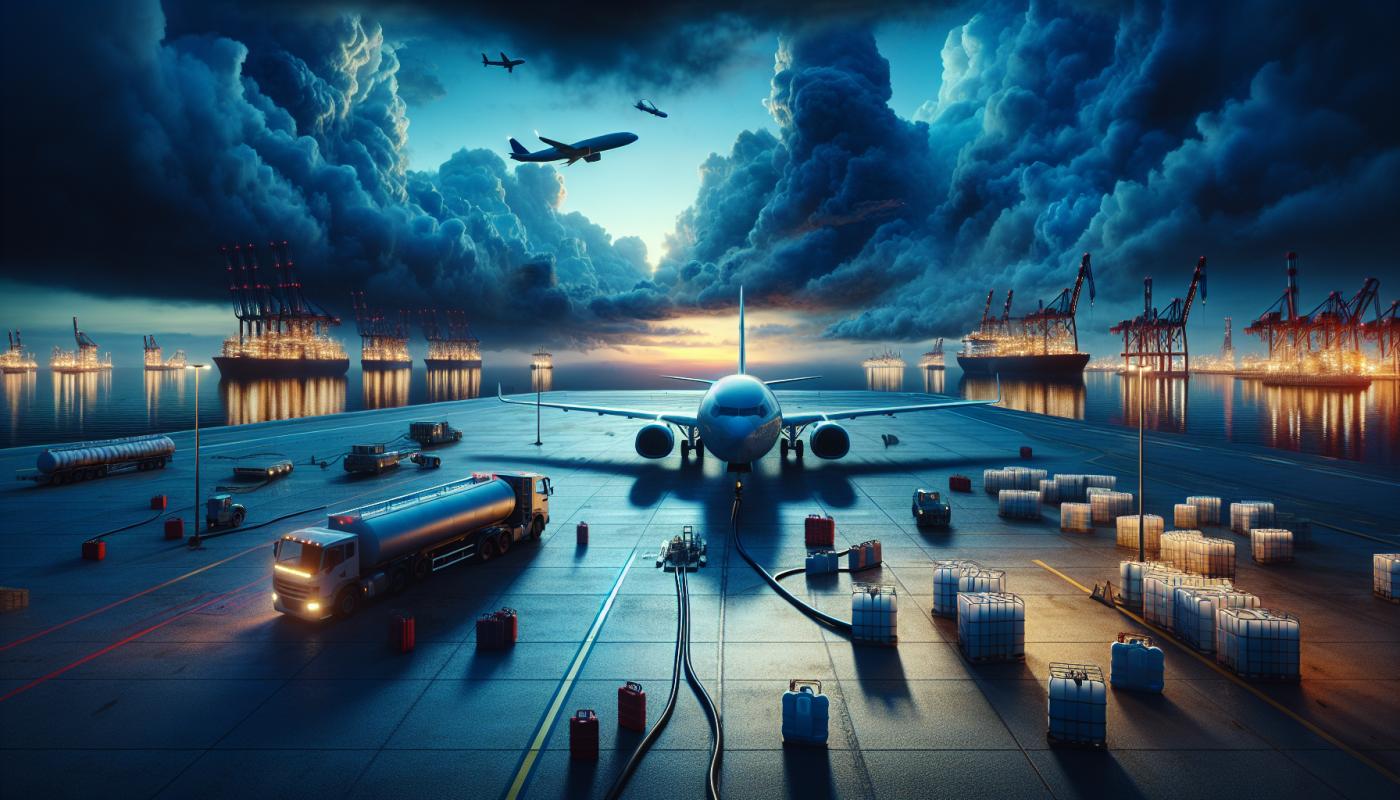
Jet Fuel Crisis Threatens Global Air Travel as Iran War Disrupts Supply Chains
A looming jet fuel shortage, triggered by the ongoing Iran war and the closure of the Strait of Hormuz, is causing major disruptions in global aviation. Airlines are facing soaring fuel costs, leading to widespread flight cancellations, reduced route options, and sharply higher airfares—up nearly 25% in some cases. The European Union and other regions are scrambling to secure alternative fuel sources, including increased imports from the US, but officials warn Europe may have only six weeks of jet fuel left if the crisis continues. Travelers are advised to expect more cancellations and… Read more
Loading the political themes of users that engaged with this discussion
Loading data...
Join in on more popular conversations.